

The Dutch Ministry of Defence has launched the National Institute for Defence Technology (NIDT), with a base in Amsterdam, three planned regional hubs and money set aside to buy successful inventions.
Credit: this report is based on a story first published by IO+. Read the original at ioplus.nl.
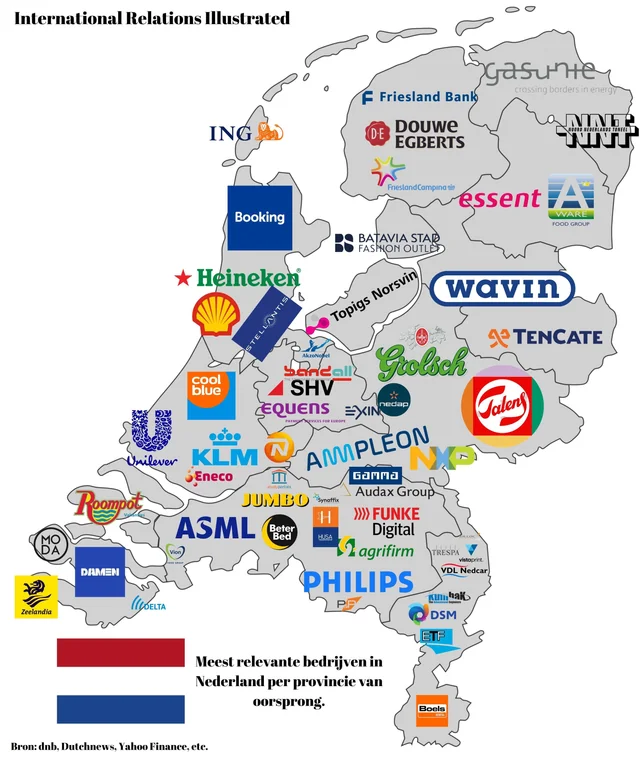
According to IO+, Defence launched the institute on 5 November to get new technology into military use faster and to build the capacity to produce it in the Netherlands. The NIDT will be based in Amsterdam, with hubs near the technical universities in Delft, Eindhoven and Twente. The exact locations of the hubs are still unclear.
Structure and money
The NIDT starts as a separate company within TNO's holding structure, with its own management and supervisory board, IO+ reported. The government's announcement places it within TNO Affiliates BV for now and says a different organisational structure is being considered for the long term.
Money has been set aside to buy successful inventions, but no figures have been given, according to IO+. For a young company, the prospect of that first order gives a reason to plan for production while the technology is still being matched to the customer's needs, the outlet noted.
The government said the aim is for the combined knowledge, technology and market strength to generate export value for the Dutch economy within a few years. Defence's own requirements will lead, and new technology will be tested in the armed forces' operational environment.
The first brief: the North Sea
The first challenge is round-the-clock watch over the Dutch part of the North Sea. Defence is putting the question to start-ups, established companies and researchers, and possible answers range from surveillance sensors to autonomous patrol systems, IO+ reported.
The institute will start from problems defined by the armed forces and look for teams that can help solve them. It will also visit universities and universities of applied sciences to see what researchers are already working on. Some projects will begin with an idea for a capability that does not yet exist; others with technology mature enough to move into production.
The Twente case
IO+ highlighted what Twente brings to the network: radar and sensor expertise, high-tech manufacturers and test sites. Thales, Aeronamic and Demcon are among the companies active in the region. At Twente Airport, the former military airfield's runway of nearly three kilometres and its controlled airspace are already used to test uncrewed aircraft.
Defence has also named Twente Airport as a destination for planned military cargo-drone flights from Deelen, a separate programme. IO+ framed the North Sea brief as an early test of whether the institute can turn a broad problem into solutions the armed forces can try at sea.
Original source: IO+, "Delft, Eindhoven and Twente to get a national defence tech hub" Additional source: Rijksoverheid (press release), "Nieuw instituut moet innovatie versnellen"