
polySCOUT, a Dutch AI startup spun out of TNO with the research organisation as a shareholder, plans to hold its first external funding round in autumn 2026. Its lab can synthesise and test 25 materials per week.
Credit: this report is based on a story first published by IO+. Read the original at ioplus.nl.
According to IO+, polySCOUT designs custom polymers that are validated in the lab within a few weeks, a process that traditionally takes years. The technology was originally developed at TNO and pairs AI models with a verified database and a high-throughput lab to search a space of more than 10^60 possible structures.
Cap table and structure
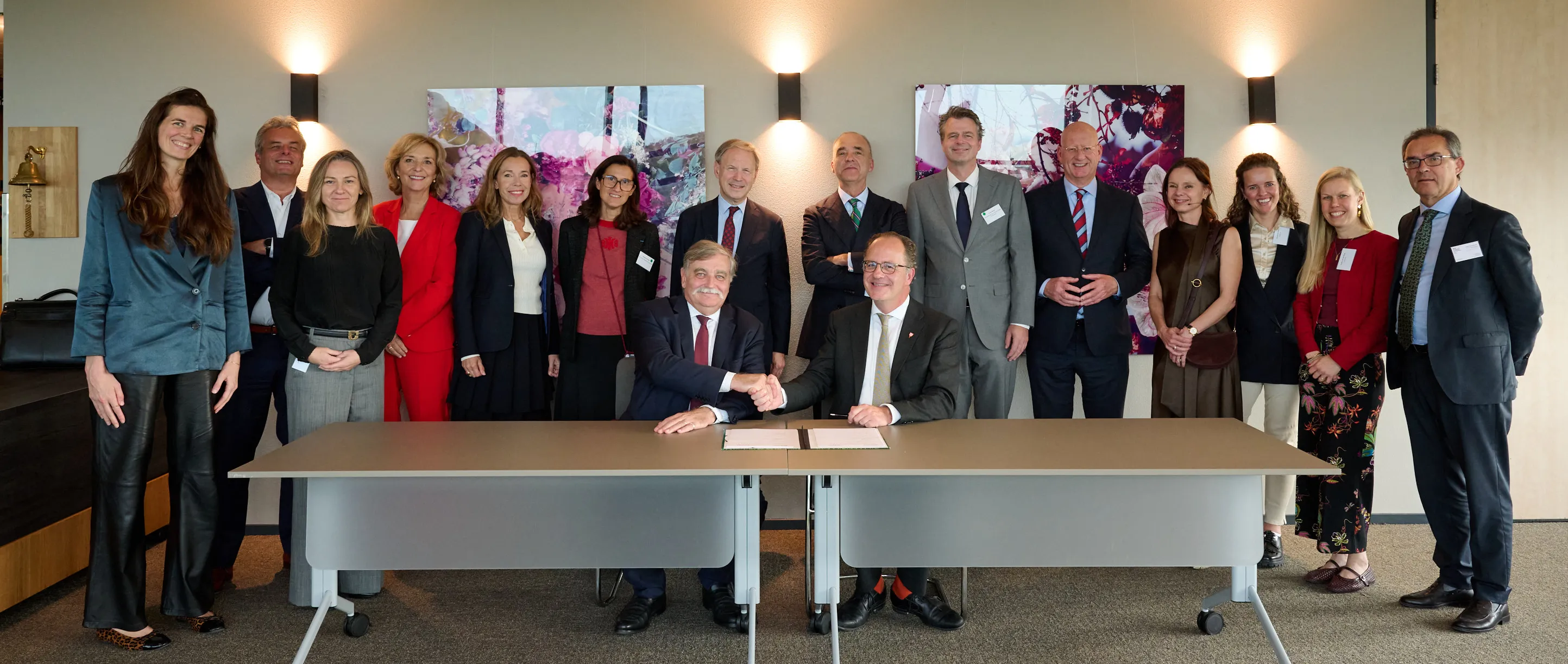
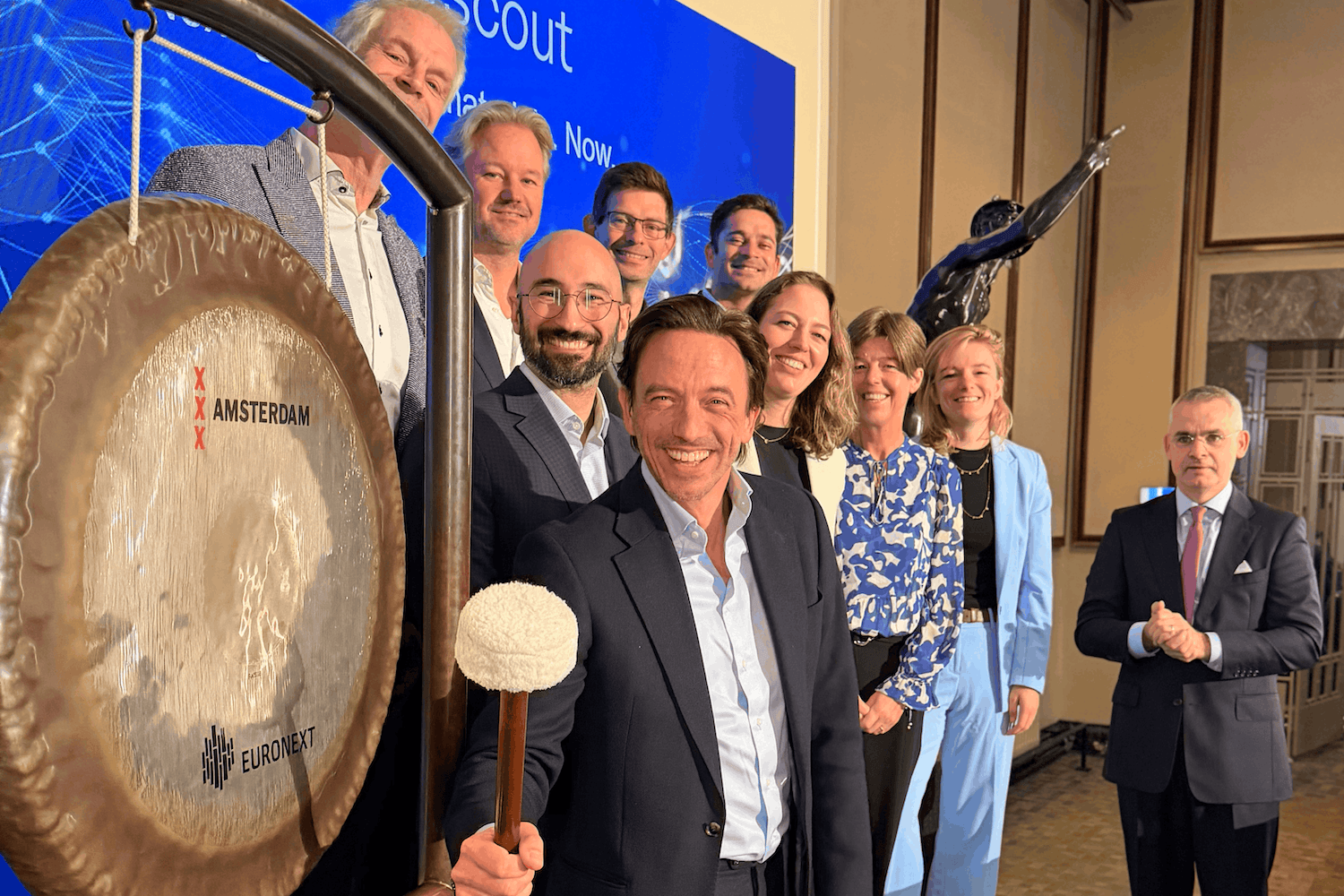
polySCOUT became an independent company in August 2026, with TNO as a shareholder. The startup holds exclusive rights to the technology, which TNO has been developing since 2022. The company marked its official launch by sounding the gong at Euronext Amsterdam on 9 October.
Its next step on the funding side is a first external round, planned for autumn 2026, to expand the platform and the team.
Three co-founders lead the business: chief executive Michaël van der Jagt, who has more than 20 years of experience in polymer materials; chief commercial officer Ellen de Ruiter, a chemical engineer and former McKinsey consultant; and chief scientific officer Milad Golkaram, a polymer scientist with a PhD from the University of Groningen.
The market it is chasing
The company targets what it calls forced substitution: replacing polymers that new rules no longer allow. Since 20 July 2026, the EU has banned bisphenol A in food-contact materials, with restrictions on microplastics (phasing out through 2035) and PFAS also in the pipeline. IO+ reports that conventional development of replacement polymers takes years to decades and succeeds in only 5 to 10% of cases.
polySCOUT reverses the usual order. Customers first set the properties they need, such as a glass transition temperature above 105°C, transparency or dishwasher resistance. AI models then pick candidates from industrial, REACH-certified building blocks, and the lab synthesises and tests them at a rate of 25 materials per week. Using those building blocks means designs can go straight to production scale without exotic lab chemistry.
The models rest on a verified database of thousands of polymer-property data points, built over four years of research under TNO's "sustainable polymer design by machine learning" programme.
What comes next
polySCOUT is in talks with manufacturers and materials producers about its first design programmes. Target sectors named in the report include electronics, automotive and textiles, alongside food packaging, where the bisphenol A ban already applies.
Original source: IO+, "TNO spinout polySCOUT accelerates polymer development with AI" Suggested image: polySCOUT profile and visuals on the TNO Ventures portfolio page (ventures.tno.nl)