
Motanka VC, a Netherlands-based venture fund registered in early 2026, is targeting €80m to back Ukrainian Series A companies with cheques of $300,000 to $3m, and made its first investment in August.
Credit: this report is based on a story first published by Defender Media. Read the original at thedefender.media.
According to Defender Media, which interviewed co-founder Filipp Peresadilo, the fund was registered by four people: Peresadilo, Robert Jan Galema, Dirck Smits van Oyen and Anna Kuznetsova. All four have volunteered with Ukraine's armed forces since 2022.
Fund terms
Motanka VC's target size is €80m. The founders completed the first stage of fundraising in July 2026 and are still raising. The fund focuses on startups raising a Series A round, with an average cheque of $300,000 to $3m.
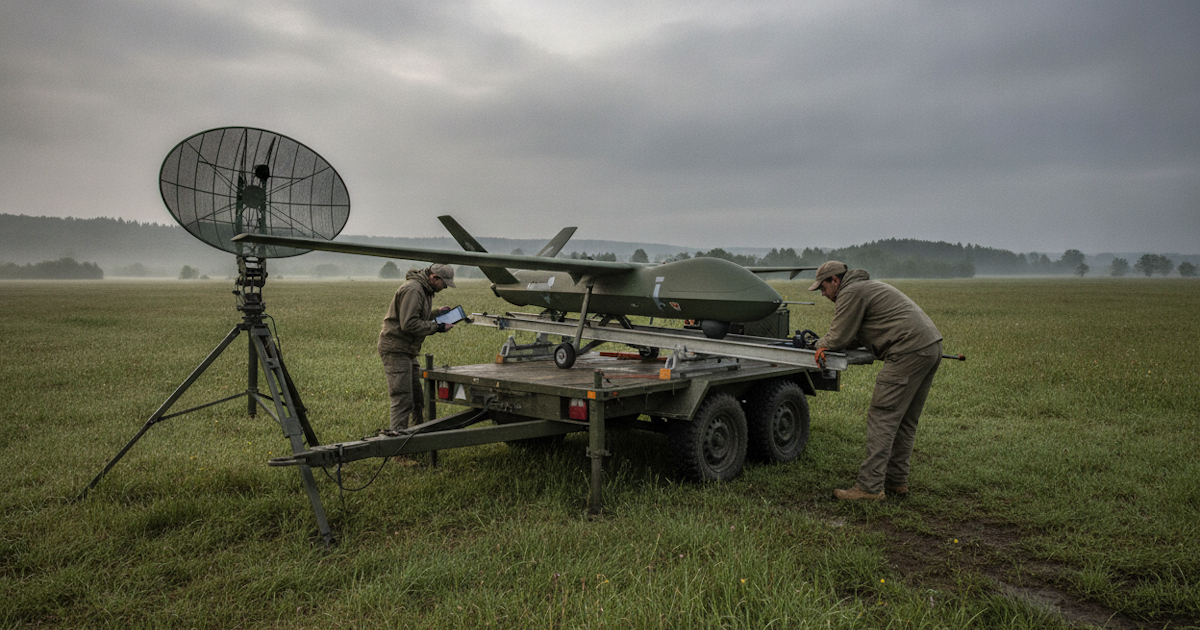
Its first investment came in August. The startup's name has not been disclosed because its founders chose to stay anonymous; it works on tactical counter-drone technology, and its products are already in use at the front. By the end of this year, Motanka VC plans to invest in four more companies, which are now going through due diligence.
The fund mostly backs defence technology but also looks at other sectors, health tech in particular. Peresadilo cited makers of bionic prostheses as one example. In defence, the fund wants hardware with strong software components, and its website lists four focus areas: autonomy, control, countering various threats, and technologies for data protection and communications.
Peresadilo said the fund looks for products that have already proven they work, and puts even more weight on whether a team can keep developing and innovating.
The founding team
Peresadilo has a technical education, has worked in AI and data science and led a team of engineers at Dutch defence tech company Intelic. Galema headed Inkef Capital and sat on the supervisory board of radar maker Robin Radar. Smits van Oyen has lived in Ukraine since 1999, founded consulting agency ProMarketing and agribusiness Farmgate Ukraine, and has invested in Ukrainian FMCG, DIY and agribusiness companies. Kuznetsova is a lawyer who worked at Baker McKenzie and held senior roles in investment banking and e-commerce.
Peresadilo told Defender Media he was frustrated that the rest of Europe offers so much funding for defensive technologies, even though many of the companies involved have never set foot in Ukraine, while "so little capital was flowing into Ukraine". Some investors, he said, still see investing there as too risky.
The founders describe their mission as using Dutch and wider European capital to help entrepreneurs in Ukraine, who are building technologies the rest of Europe also needs.
Original source: Defender Media, "Motanka VC fund plans to invest €80m in Ukrainian defence tech and other sectors. The first deal has already closed"