

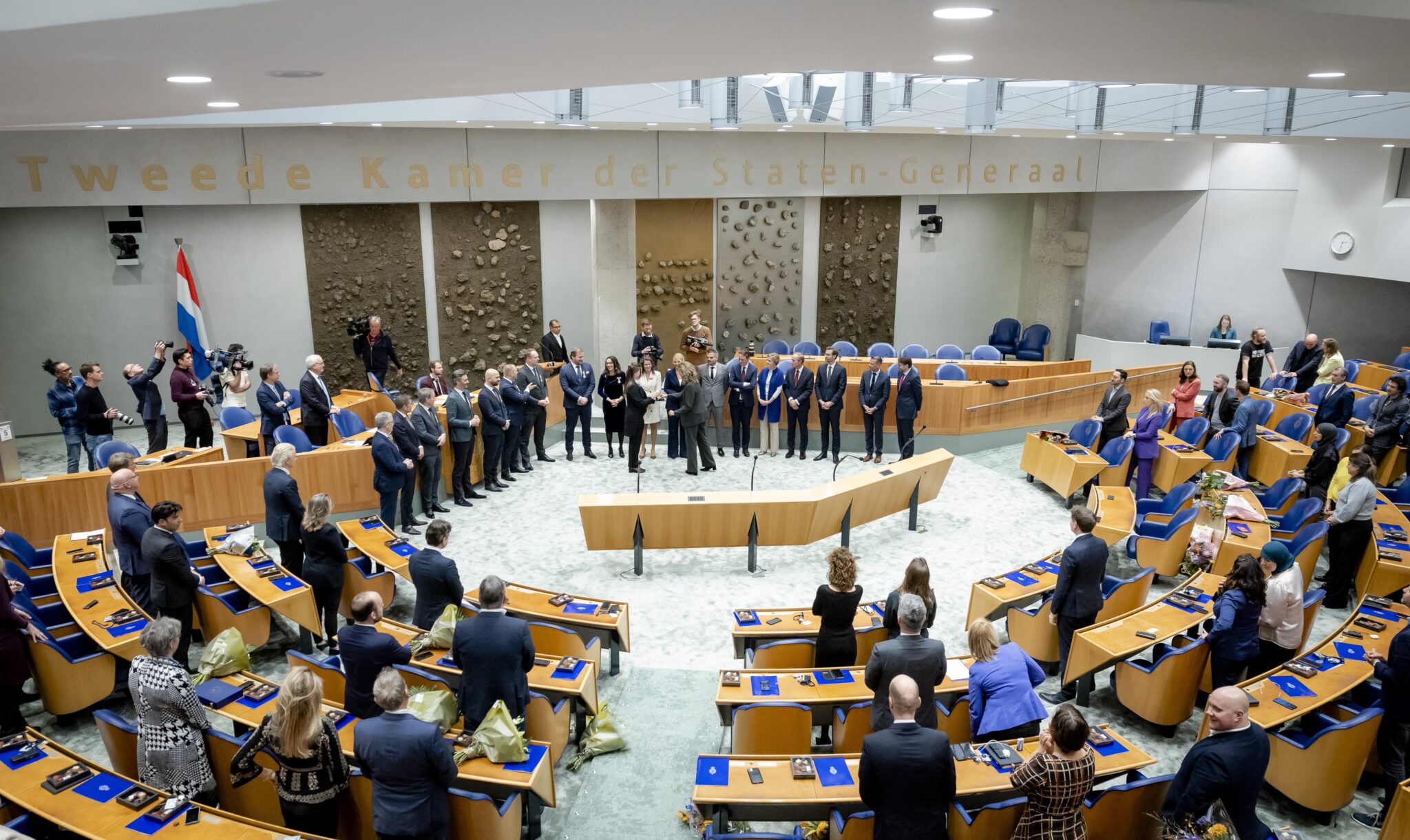
The Tweede Kamer passed the Act on fiscal stimulation of start-ups and scale-ups on 12 November with 102 votes in favour and 48 against, in a separate vote from the Belastingplan 2027, which scraped through by 76 to 74.
Credit: this report is based on a story first published by Meijburg & Co. Read the original at meijburg.nl.
According to tax advisory firm Meijburg & Co, the Dutch lower house adopted the Belastingplan 2027 package on 12 November. Alongside the Belastingplan 2027 itself, the package contains the Overige Fiscale Maatregelen 2027, the safe harbour rules for the Minimum Tax Act 2024 and the Wet fiscale stimulering start-ups en scale-ups, the bill that introduces a tax incentive for the share option regime of qualifying start-ups and scale-ups.
The bills in the package were voted on one by one. The narrow 76 to 74 majority applied to the Belastingplan 2027 bill (37022), which went to a roll-call vote. The start-up bill (37024) was adopted by a show of hands with 102 votes in favour, according to the Tweede Kamer's vote record: D66, VVD, CDA, JA21, FVD, Groep Markuszower, BBB, ChristenUnie, SGP, 50PLUS, Keijzer and Volt voted for it, while PRO, PVV, DENK, PvdD and SP, with 48 seats between them, voted against.
The package now moves to the Eerste Kamer (the senate) in the coming weeks, so its introduction still depends on approval there.
What changed in the start-up bill
Amendments adopted on the start-up bill make two changes. A ministerial regulation will be able to designate recognised valuation methods for setting the value of unlisted shares, which the Dutch tax authority will then accept. There will also be a four-week repair period once RVO finds that a company no longer meets the conditions of the incentive scheme, if the company has not yet reported this itself.
A separate note of amendment narrows the cases in which a protective tax assessment can be imposed when an employee emigrates. If the employee still holds share options at the moment of emigration, no deemed disposal is taken into account for those options and no protective assessment is imposed on the benefit. A deemed disposal at market value only applies when the options were exercised before emigration.
An amendment on the WBSO also passed: its bracket threshold will be indexed once, from €391,020 to €396,082.
Box 3 and box 2
On the same day the lower house adopted the novella that widens the capital gains tax planned for the new box 3 system. The original proposal applied it only to real estate and to shares in and profit certificates of start-up companies; the novella extends it to all financial instruments, including shares, tradable debt such as bonds, and options. The new box 3 system is set to start on 1 January 2029, so the current system also applies in 2028.
From 2029 box 3 also gets a progressive rate: the first €60,000 of taxable income from savings and investments will be taxed at 35.5% instead of 36%, with 38.5% above that.
To cover the box 3 change, box 2 rates are cut for four years: the entry rate falls from 24.5% in 2026 to 23.5% from 2027, and the top rate from 31% to 29%.
Motions to watch
Among the motions adopted is a call to study whether the innovation box benefit could be set by the number of WBSO hours relative to a company's total number of employees. Another asks the government to submit the bill for a full capital gains tax by Prinsjesdag 2027 at the latest and to introduce it by 1 January 2030.
Original source: Meijburg & Co, "Pakket Belastingplan 2027 en Novelle uitbreiding vermogenswinstbelasting box 3 aangenomen door de Tweede Kamer met enkele wijzigingen"; vote count from Tweede Kamer, "Wet fiscale stimulering start-ups en scale-ups" (37024) Correction (17 Nov 2026): an earlier version said the start-up bill passed as part of a package adopted by 76 votes to 74. That count applied only to the Belastingplan 2027 bill; the start-up bill was adopted separately by 102 votes to 48. Suggested image: official photo of the Tweede Kamer plenary hall from the parliament's own media pages (tweedekamer.nl)