
A proposal to make European pension funds put at least 2% of their assets into European venture capital has failed in negotiations, leaving Dutch funds that manage more than €1.17tn free to set their own allocation.
Credit: this report is based on a story first published by NL Times. Read the original at nltimes.nl.
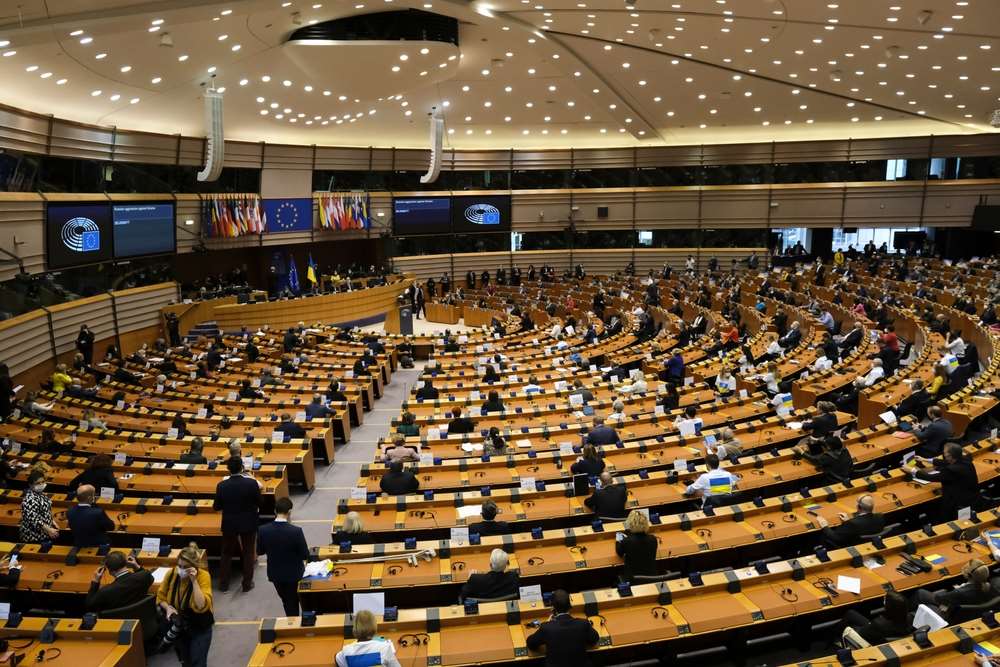
According to NL Times, which cites reporting by het Financieele Dagblad, European pension funds will not face a mandatory minimum allocation to high-risk European venture capital. The plan, put forward by Volt member of the European Parliament Damian Boeselager, did not survive the negotiations, according to preliminary texts from the Parliament's Economic and Monetary Affairs Committee.
The result means Dutch pension funds keep the right to decide for themselves whether, and how much, to invest in European startups and scale-ups.
The numbers behind the quota
According to De Nederlandsche Bank, the Dutch central bank, Dutch pension funds manage more than €1.17tn.
The rejected plan would have set a minimum of 2% of assets for high-risk European venture capital. Such an allocation would have carried large costs for the biggest funds, the report says. For ABP, one of the country's largest pension funds, it would have meant about €11bn in mandatory venture capital investments.
ABP has already pledged €1bn to European venture capital funds. Its chairman, Harmen van Wijnen, criticised Brussels for tightening rules on risk diversification and transparency, and said pension funds are not an ATM for companies or governments that need money.
How the debate started
The question surfaced as the European Commission reviews the rules that govern pension funds. Officials want to draw on the sector's large pools of capital to strengthen European competitiveness.
Dutch pension funds and members of the European Parliament lobbied hard in recent months to stop Brussels from setting investment rules for fund boards, NL Times reports.
What comes next
The European Parliament is expected to vote on the proposals in early November. Formal negotiations between the Parliament, the European Council and the Commission will follow to reach a final legal text.
Brussels aims for a definitive agreement by the end of 2026 or early 2027.
Original source: NL Times, "Dutch pension funds stop Brussels from steering members' savings into European startups"