
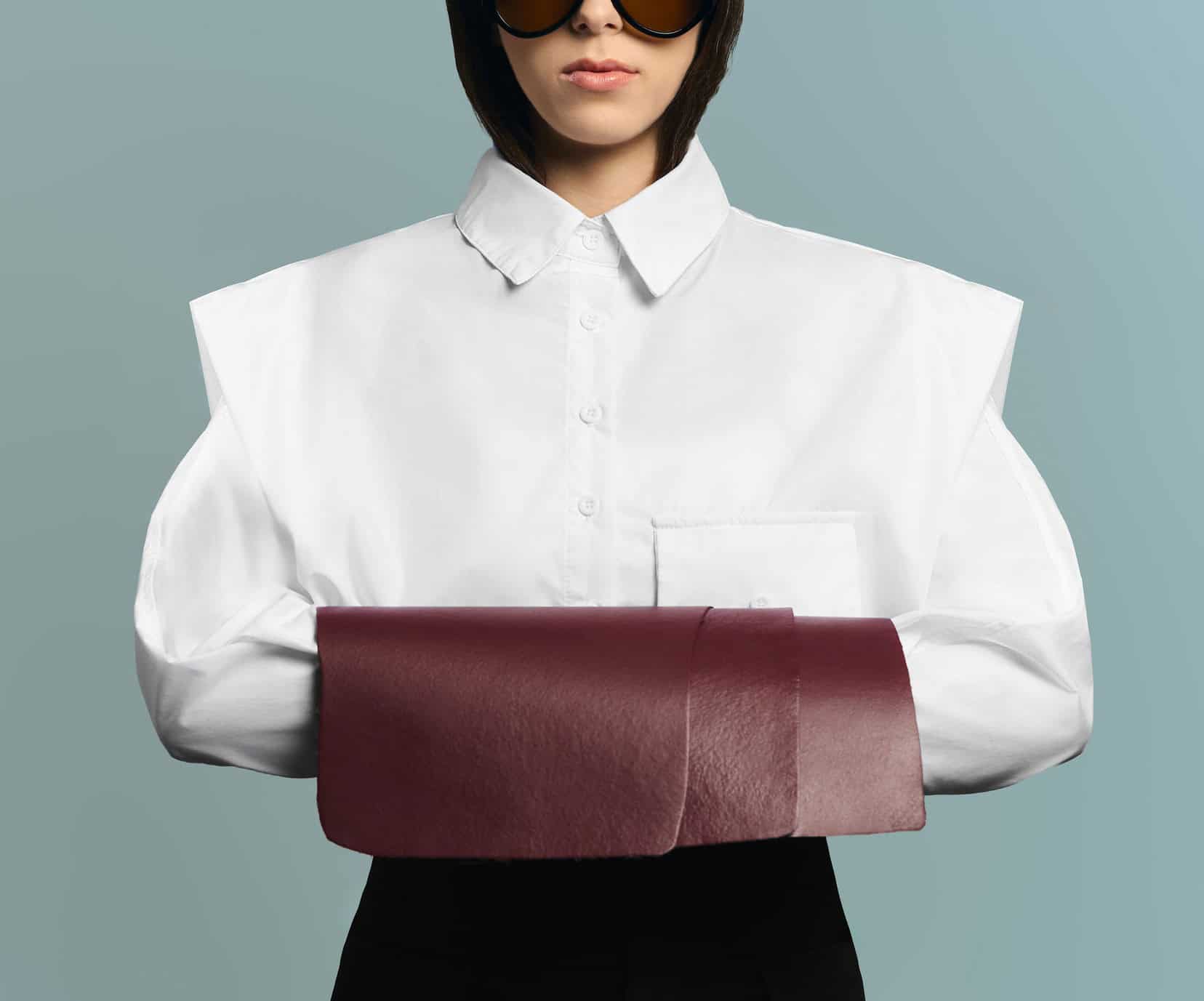
Maastricht-based Qorium, which raised $25M a year ago to bring its lab-grown leather to market, now trades as Reyva and expects its first product reveals in the first half of 2027.
Credit: this report is based on a story first published by Green Queen. Read the original at greenqueen.com.hk.
According to Green Queen, the Dutch alternative materials startup has changed its name as it works to industrialise production and develop products with fashion and automotive brands. Chief executive Michael Newton said the new identity reflects a company that is design-led and ready to stand next to the world's leading material brands.
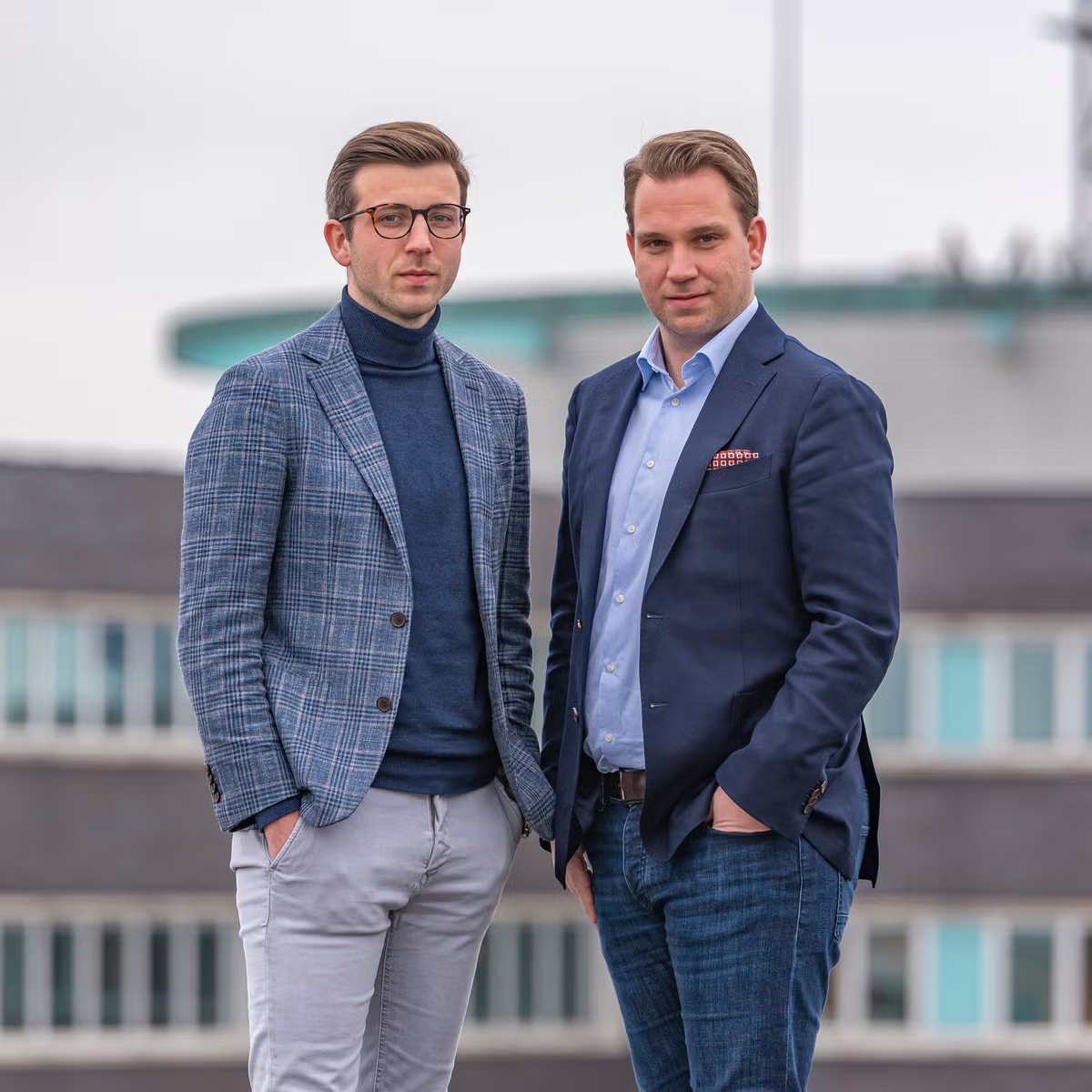
Reyva was founded by sixth-generation tanner Rutger Ploem, entrepreneur Stef Kranendijk and pharmacologist Mark Post, who co-founded Mosa Meat.
From biopsy to tannery
The process starts with a small biopsy from living cows. Selected cells are banked and multiplied, then grown in proprietary tissue bioreactors where they form uniform collagen sheets. Those sheets go to tanneries and are finished with traditional techniques.
Newton told Green Queen the end-to-end process currently takes about five weeks, with a longer-term goal of three to four weeks.
Scaling at Brightlands
The company is industrialising its process at the Brightlands Maastricht Health Campus, moving from lab output towards commercial volumes. It recently started a 1×2 sq m tissue bioreactor, which gives it full commercial-size sheets for the first time.
Reyva has development partnerships with major luxury fashion and automotive brands, which it has not named. Its initial focus is leather for luxury goods and car interiors. Initial availability will be limited and capacity will rise with each scale-up milestone, Newton said.
Costs and carbon
Production costs are currently higher because the company has not reached commercial scale. Newton said Reyva will be price-competitive with high-end conventional leather as it adds capacity and improves process efficiency.
An independent life-cycle assessment by CE Delft estimates the material could have an 87% lower carbon footprint at full-scale production using renewable electricity in 2029. The analysis put emissions at 10.5kg CO2e per sq m at the tannery gate, against a benchmark of 77 to 83kg for French calf leather.
Reyva does not need regulatory approval to sell its material and will follow the rules that apply to conventional leather, Green Queen reported.
What comes next
"Our first product reveals are anticipated in the first half of 2027," Newton said.
Original source: Green Queen, "Qorium Rebrands to Reyva As It Eyes 2027 Launch of Lab-Grown Leather"